17 Apr 2026 /
Insights
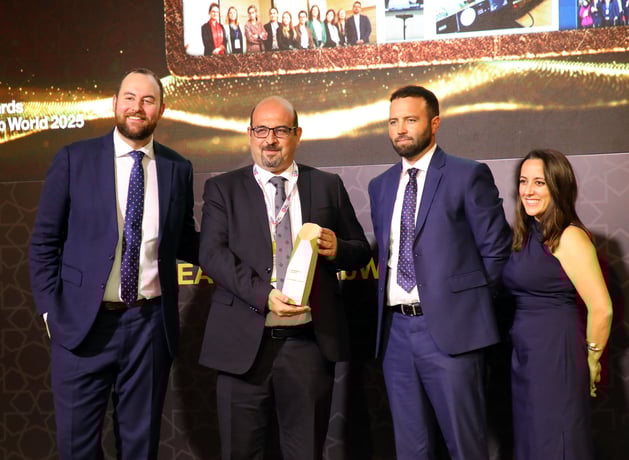
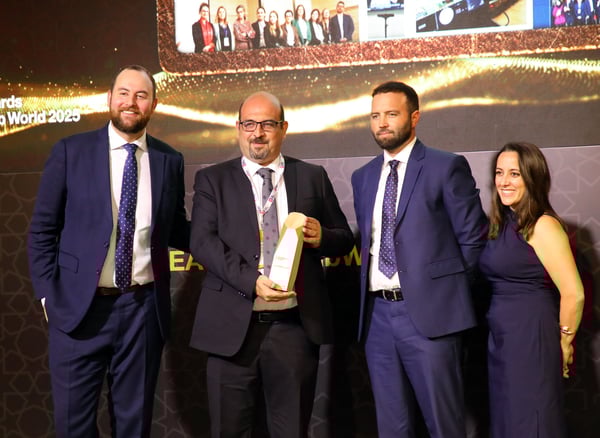
In the rapidly-changing landscape of higher education, institutions are often judged by their academic output or research capabilities. However, at An-Najah National University in Palestine, the measure of success is deeply rooted in the resilience of its community and the extraordinary support it provides to its students. This dedication was recently recognised at a broader level, when the university won the prestigious Times Higher Education (THE) Award for Outstanding Support for Students, which Studiosity supports each year.
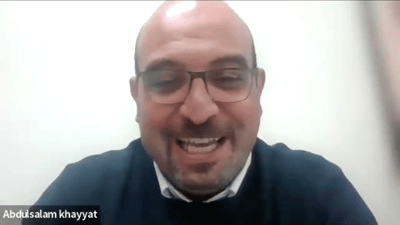
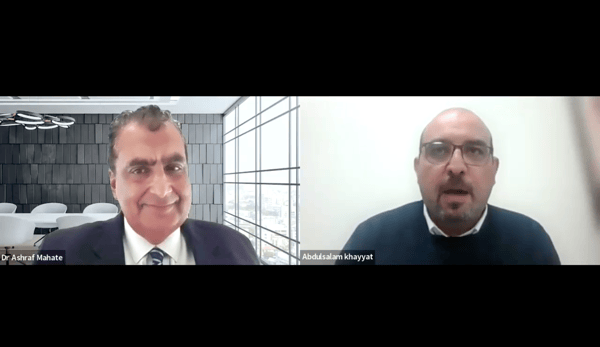
Recently, Dr Ashraf Mahate caught up with Dr Abdulsalam Khayyat, Vice President for Academic Affairs at An-Najah, and the philosophy and initiatives that led to this achievement were brought to light in their conversation.
A philosophy of resilience in a challenging environment
Dr Khayyat, an epidemiologist by training with extensive experience in Switzerland, returned to his home university with a vision that transcends traditional academic boundaries. Operating in an environment characterised by enormous challenges and daily uncertainties, Dr Khayyat views these obstacles not as hurdles, but as catalysts for creating tomorrow's leaders.
"Once you are in hard conditions, you will have two ways: either to be a passive surrender to what is available, or to be really a leader for innovation".
This philosophy of resilience is the cornerstone of An-Najah's approach. The university recognises that in 2026, knowledge is no longer the sole source of power, as tools like AI have made information more accessible than ever. Instead, their mission has shifted toward ensuring students can analyse situations, think clearly under pressure, and find solutions rather than simply "cursing the situation." Success at An-Najah is defined by a holistic support system that addresses academic, social, psychological, and financial needs simultaneously.
The TESI: a global message of accessibility
An-Najah's standout initiative that led to the THE Award is the Technical Educational Support Initiative, known as TESI, conducted in partnership with Unimed. This humanitarian effort was designed to provide free online courses to university students, tailored to their specific curricula and accredited by their home institutions. The initiative reached over 20,000 students, using specialised technicalities that allowed high-quality education to be delivered even over low-quality internet connections.
Dr Khayyat describes TESI as a clear message to the world that "education is for all" and that access to learning is a fundamental freedom. By overcoming technical and geographical barriers, An-Najah demonstrated that even the most restricted environments can become centers for educational equity and innovation.
Personalised teaching and the role of AI
Beyond immediate humanitarian support, An-Najah is pioneering the integration of Artificial Intelligence to foster personalised learning. Dr Khayyat emphasises that AI should not be viewed as the "elephant in the room" but as a tool for resource allocation and value. The university conducted a pilot program using AI to teach English, a subject many Palestinian students struggle with as a non-native language.
The AI-driven approach allowed for a personalised experience: students starting at different proficiency levels could all reach a target threshold, with the system investing more time and resources into those who needed it most. While some students might finish tasks quickly, other students received the intensive support they required to bridge the gap. Dr Khayyat plans to expand this personalised teaching model to all 27,000 students at An-Najah, ensuring that the learning experience is unique to every individual's needs.
Redefining academic success and leadership
The conversation also touched upon the changing nature of assessment. Dr Khayyat questions whether traditional exams and GPA are the best measures of a "good graduate." In his view, the true indicators of success are practical skills, communication abilities, and technical literacy. He predicts that in the next twenty years, some students may graduate without ever taking a traditional exam, as the focus shifts toward the application and questioning of knowledge.
His advice to his younger self - and by extension, to current students - reflects this shift: focus more on out-of-the-class activities and invest heavily in IT skills.
"If you don't know how to deal with AI, it's the same situation as someone who cannot send emails these days".
A vision for the future: mental health and meaningful impact
Dr Khayyat shared what his "magic wand" wish would be for his students: good jobs, physical health, and, most importantly, mental health. He believes that without mental stability, academic or professional success loses its value. For an academic leader at An-Najah, the happiest moment isn't a scientific patent or a high ranking. It is seeing a qualified, happy, and employed graduate navigating their way through the world.
An-Najah National University actually featured in the THE Awards 2025 shortlist five times and won in two categories. This recognition from Times Higher Education is not just an award for a single project; it is a validation of the collective effort of hundreds of colleagues at An-Najah who keep the light of education burning in the darkest times. It stands as a testament to the power of resilience, the necessity of innovation, and the unwavering belief that education can create opportunities out of any challenge.
Read more about the Times Higher Education Awards Arab World 2025 here.