19 Mar 2026 /
Itunu Famuyiwa

This blog post is written by Itunu Joy Famuyiwa, a PhD Researcher at the University of Greater Manchester, and a Studiosity user.
Last year, I had two major assessments to complete. One was worth 20 credits, and the other was worth 40 credits. For both, I had one clear goal which was to have a
distinction grade.
For the first one, the 20-credit assessment, I started writing almost immediately. I worked on it for about a month before the submission date. I even showed it to my lecturer during the process for feedback. When I finished writing, I left it for a while and then did my final edits a few days before submission.
When the result came out, I scored 68%.
Then came the 40-credits assessment. This time I approached it slightly differently.
Instead of jumping straight into writing, I spent about a month planning it. I thought through the structure, mapped out my ideas, and had a clear direction for my arguments.
After that planning, I wrote the paper within two weeks. I also shared it with my lecturer for unofficial feedback.
When the results came out, I scored 76%.
That difference taught me a powerful lesson: Planning matters more than we often realise.

The power of planning and starting early
Planning an assessment is like creating a blueprint before building a house. It helps you see where you are going. It gives structure to your thoughts and direction to your arguments. Without a plan, you may still produce something good like I did with my 20-credit assessment, but with a plan, your work becomes more intentional.
By the time a moved into the next semester, where I had to write a 60-credit research paper, I knew I needed to approach things differently. I understood that if I wanted better results, I needed to plan, start early, and get enough feedback.
So, I did three things:
1. I planned my research
First, I planned the research work. I created a blueprint for my research before I started writing. I even kept a diary where I wrote down my thoughts, ideas and possible arguments as they came to me. I planned mentally, and physically by writing down everything and mapping out my chapters before I began.
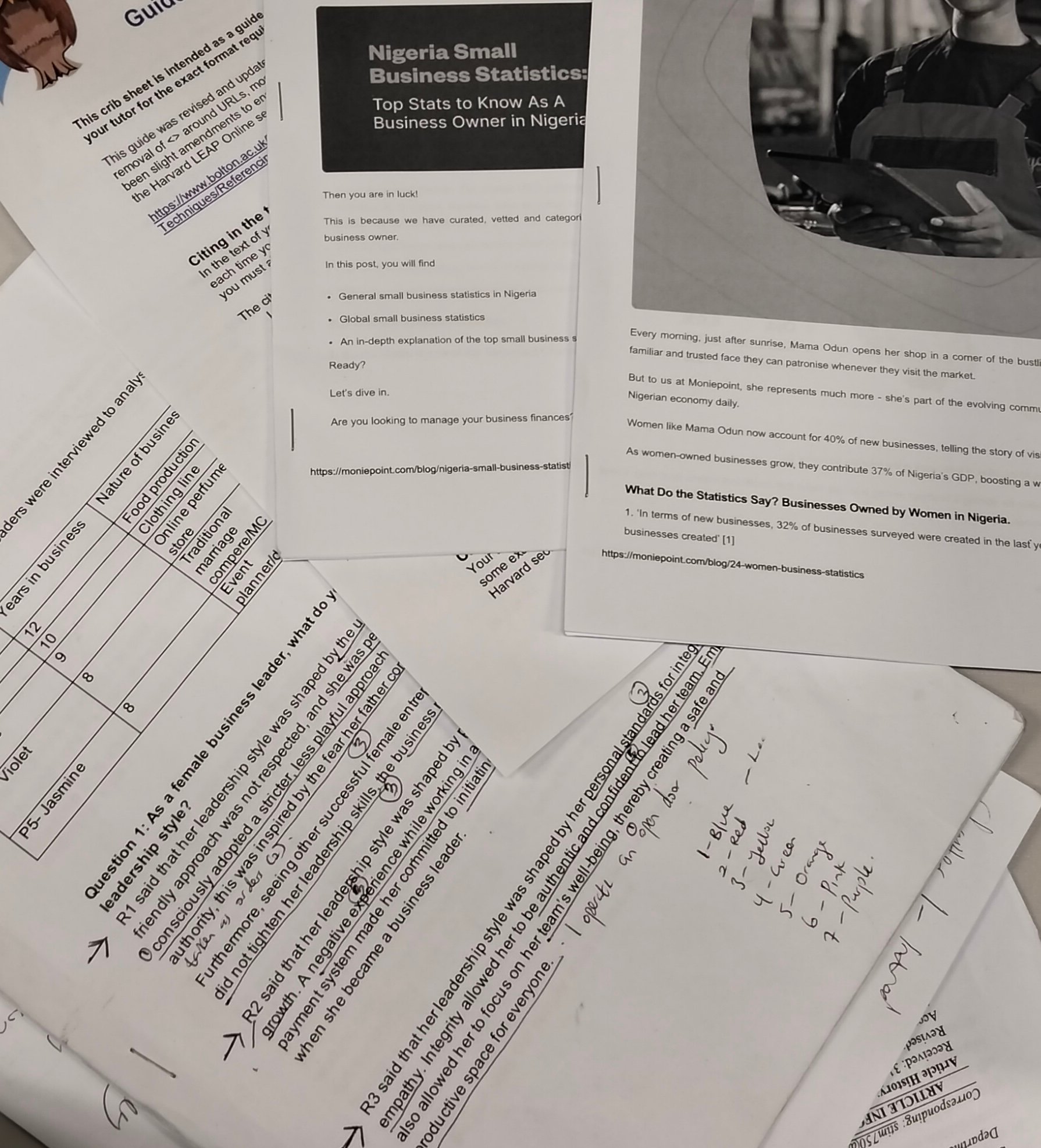 Planning my research first helped me get my thoughts in order, before I started the writing process
2. I used Studiosity frequently, for feedback
Second, I made sure I used the academic support available to me. By this time, we had access to Studiosity in my school, and I decided to use it consistently. Every chapter I wrote went through Studiosity so I could receive feedback and improve my work.
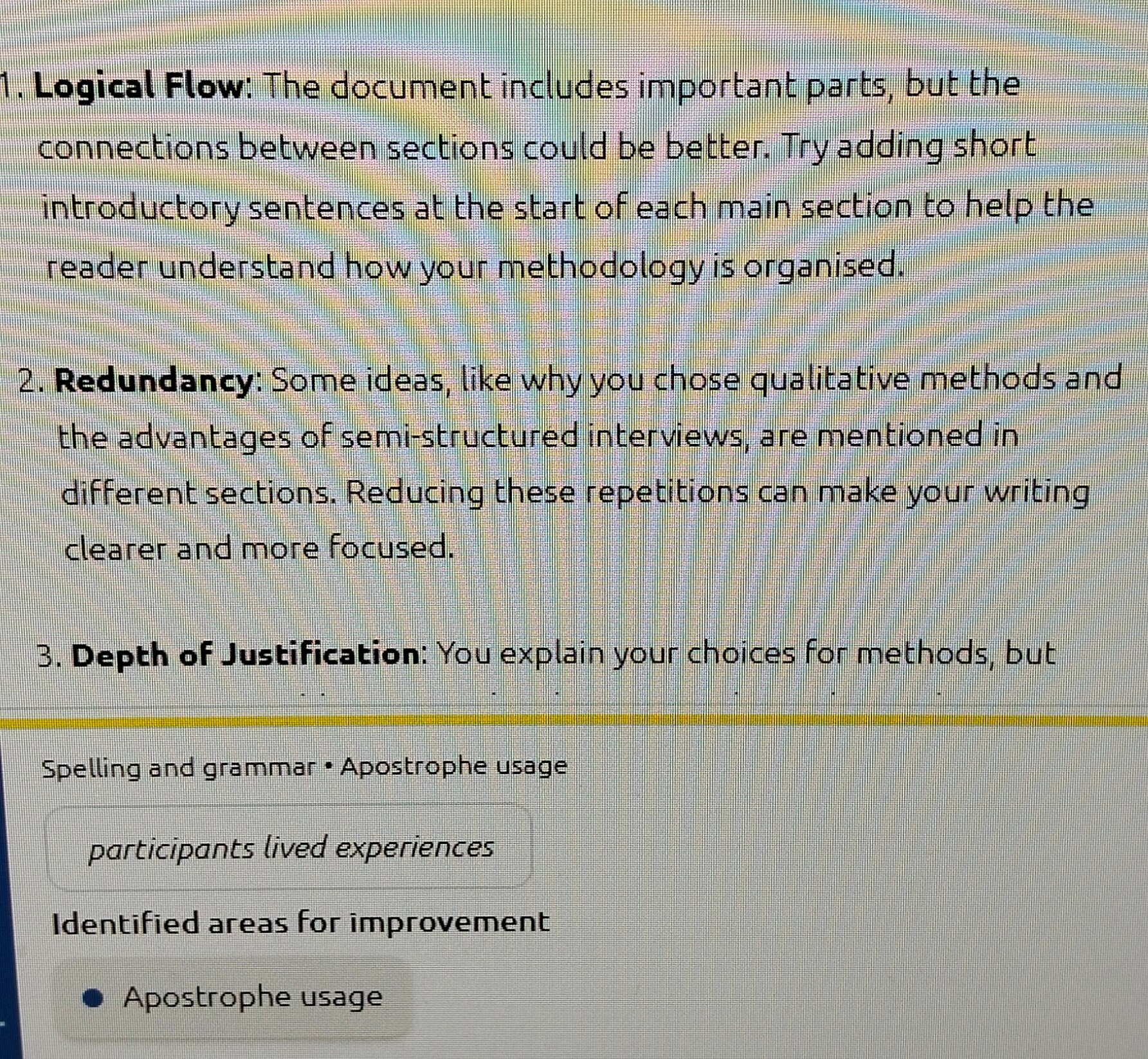 The feedback I received from Studiosity pointed out areas I could improve in, and always provides guidance rather than answers
3. I took advantage of my support services
Third, I also continued seeking feedback from my lecturer. I did not rely on just one approach.
I combined planning, feedback, and revision throughout the process.
When the result came out, I scored 81%.
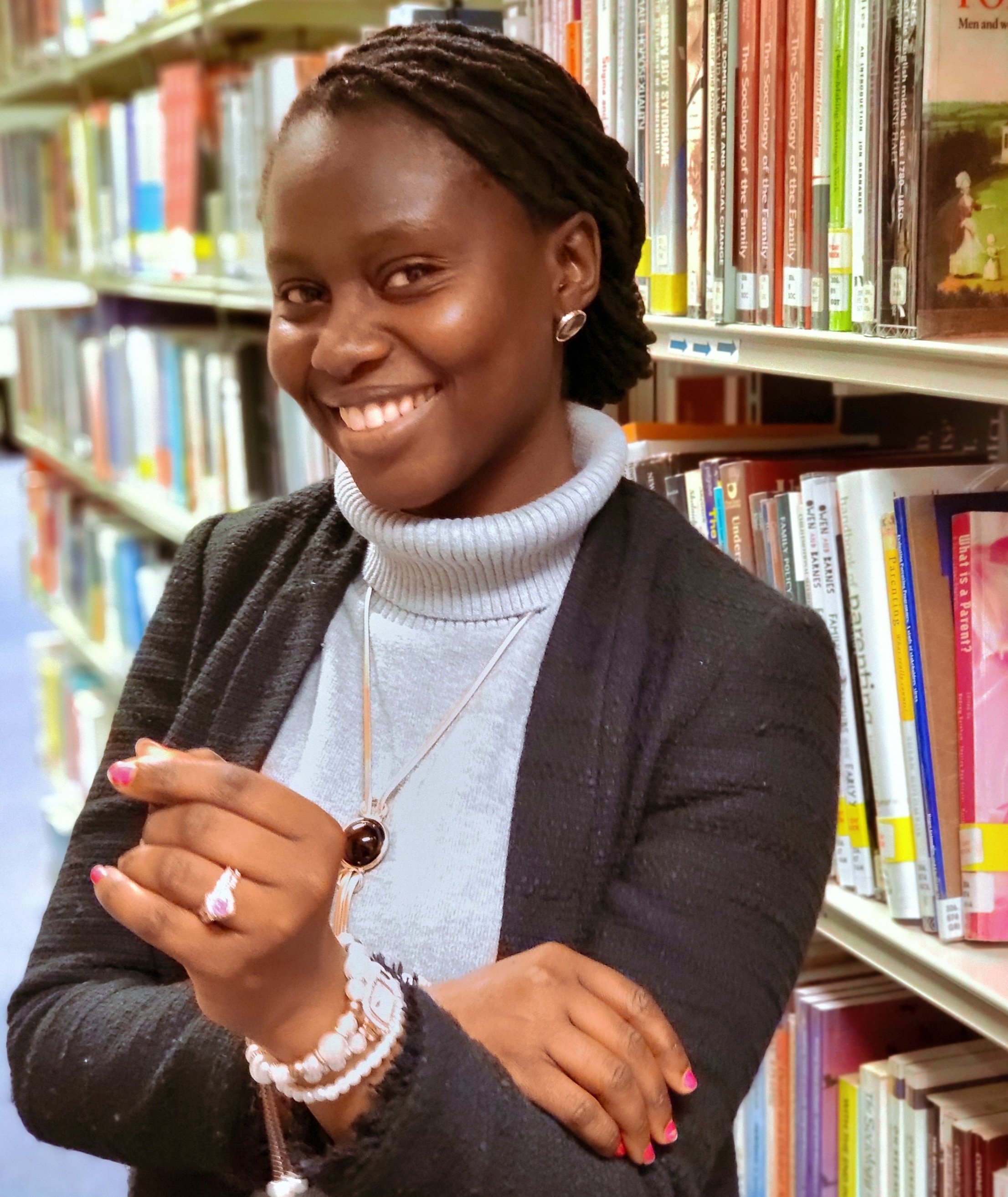
Itunu Joy Famuyiwa after submitting her MRes dissertation.
The learning process
But the most valuable part of that experience for me was not just the grade, it was the growth. Through that process, I learned how to think more clearly, plan more
intentionally, use ethical AI tools like Studiosity, and approach academic work with more discipline. I became more aware of my ability to organise my ideas and communicate my ideas effectively.
And if there is one thing I took away from that journey, it is that great academic
work rarely happens by accident. It happens when planning, feedback, and effort come together beautifully.