04 Jan 2026 /
Insights
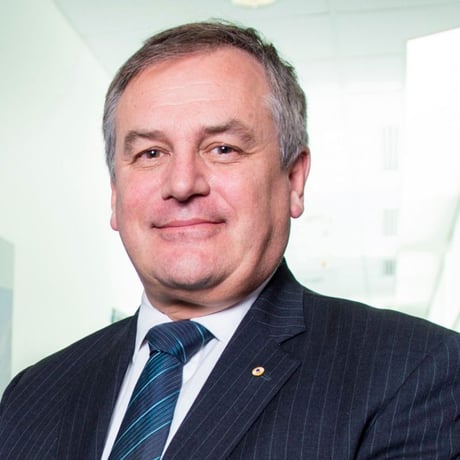
 In a recent conversation on the 'Reimagining Higher Education' podcast with Professor Judyth Sachs, the President and Vice-Chancellor of the University of Newcastle, Professor Alex Zelinsky, shared insights from a career that spans the cutting edge of robotics, national defense, and academic leadership. His journey—from a first-in-family student to leading one of Australia’s most vital regional universities—offers a blueprint for how higher education can evolve to meet the challenges of the 21st century.
A career built on translation and impact
Professor Zelinsky’s leadership philosophy is rooted in "research with purpose". Whether it was his early days at BHP, his time at CSIRO, or his tenure as Australia’s Chief Defence Scientist, the common thread has been a commitment to delivering outcomes that make a tangible difference.
"I really learnt a lot about delivering research with impact or you know, that was inspired by customer needs."
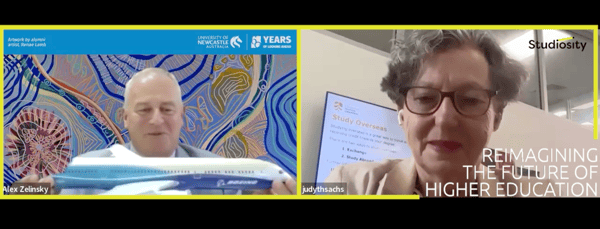
His experience leading CSIRO’s engagement with Boeing, which saw the organisation named Global Supplier of the Year from 20,000 partners, underscored the importance of excellence and global collaboration. This 'big picture' understanding of how industry, government, and research intersect is now a cornerstone of his approach to leading the university.
Breaking down academic silos and tribalism
One of Prof Zelinsky’s most striking observations upon returning to the university sector was the persistence of silos. He describes a "tribal" atmosphere where individual schools, faculties, and divisions often operate independently, sometimes at the expense of the broader mission.
"I think I've been spending most of my time as a leader breaking down those tribal barriers and getting everyone to say we've got to be thinking multidisciplinary rather than single disciplines."
By fostering a matrix of collaboration, Prof Zelinsky believes universities can achieve far more than they do through isolated efforts. His goal is to move beyond resource contests and toward a unified focus on multidisciplinary excellence.
Navigating the Triangle of Unhappiness
Prof Zelinsky is candid about the current challenges facing the Australian higher education sector, specifically identifying three major hurdles: regulation, funding models, and a lack of social license. He describes the strained relationship between government, unions, and university management as a "triangle of unhappiness".
- Over-Regulation: The sector is impacted by over 300 pieces of legislation, which Zelinsky argues creates significant inefficiency.
- Funding Flaws: He highlights the fundamentally unfair nature of the Job Ready Graduates (JRG) program, which forces arts students to contribute 93% of their education costs while leaving universities with thin or negative margins in other disciplines.
- The Research Gap: He expresses deep concern for the research agenda, noting that while education is a major focus for the current government, the conversation around research and development often feels disconnected.
The power of place: Newcastle as a global regional hub
A passionate advocate for regional institutions, Prof Zelinsky rejects the false paradigm that world-class universities must be located in capital cities. He sees the University of Newcastle as an anchor for its region—a million-strong community that is transitioning from a manufacturing heartland to an innovator in clean energy.
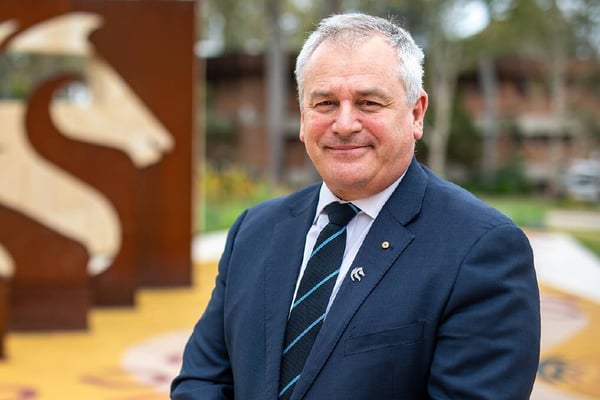
By relocating campuses into the city centre and integrating medical work with the John Hunter Hospital, the university is actively shaping the cosmopolitan reinvention of Newcastle.
Student Success: career-ready and completion-focused
Perhaps the most impactful initiative under Prof Zelinsky’s leadership is the introduction of compulsory career-ready placements. Every undergraduate student, regardless of their discipline, must complete a minimum of 140 hours with an employer.
"You cannot graduate without a career-ready placement. We're the first university in Australia to do that, and the feedback we're getting from students and employers is fantastic."
Beyond employability, his next big thing is improving completion rates. He argues that a one-in-three non-completion rate is "not good enough for Australia," and is committed to ensuring students leave with a qualification, rather than just a debt.
Advice to the next generation: dream big and say yes
Reflecting on his own journey as a first-in-family student, Prof Zelinsky encourages current students to look beyond the immediate goal of just getting a job.
"Try to say yes more often to opportunity... you just don't know where it leads to."
He advocates for an adventurous spirit—shooting for the stars, embracing uncomfortable opportunities, and maintaining a lifelong curiosity. Despite the current "funk" in the sector, Prof Zelinsky remains an optimist, reminding us that higher education remains the primary driver for Australia’s future.
🎧 Listen to Prof Zelinsky's full episode here: Apple podcasts | Spotify | Vimeo | YouTube