22 Dec 2025 /
Evelyn Levisohn
 Building on the work we started last year, in 2025 Studiosity continued with our 'Innovate' Reconciliation Action Plan (RAP). Our support of the scholars in the GO Foundation program and the Public Education Foundation continues, providing feedback and study support for Indigenous students. We are working to increase our own internal staff's understanding of Indigenous culture and practices, and to support everyone to learn about, participate in and enjoy Aboriginal and Torres Strait Islander culture throughout the year. We started building relationships with local Indigenous businesses and service providers, as well as looking to establish a network of edtech companies with RAPs.
Along the way we have learnt a lot, we achieved some big milestones and we faced some challenges and barriers. I'm proud as always to work in a company that takes efforts and steps to live and uphold its values in ways that are beyond a 'checklist' or rigid framework. Here's what happened in 2025.
Q1: January - March 2025
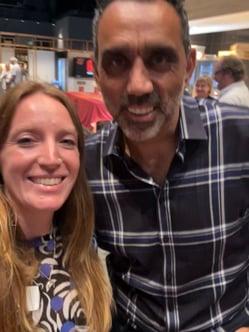
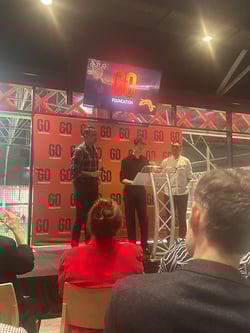
A highlight of my year is always the work I get to participate in with the GO Foundation, and early in Term 1 I was able to attend their Supporter's Welcome event and see the whole team. I ran a series of webinars for the teachers working directly with GO Scholars in high schools, ensuring they fully understood and felt comfortable with explaining and providing access to Studiosity for those scholars.
Our first RAP Working Group meeting of 2025 happened in March, coincidentally on International Womens' Day. This was a brilliant coincidence, because members of our Working Group were able to see a speech from (Waskam) Emelda Davis - chairwoman of the Australian South Sea Islanders (Port Jackson) (ASSIPJ), who was guest speaking at the Gadigal Centre where our meetings are held.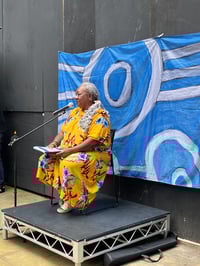
We were also able to connect with team members from CareerTrackers, an excellent organisation that facilitates the placement of Indigenous students into structured internships.
Q2: April - June 2025
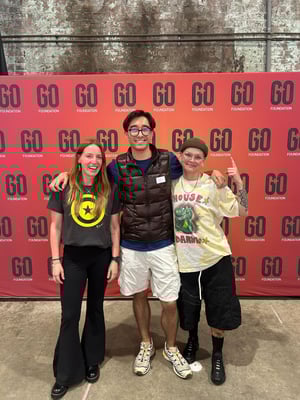
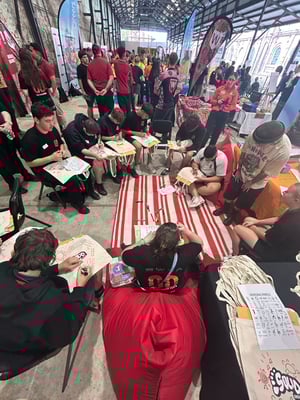
After our first RWG meeting for the year, we started planning our National Reconciliation Week and NAIDOC week events. In April, I volunteered at the GO Foundation's Sydney Culture Connect Day, where over 200 Aboriginal and Torres Strait Islander high school students came together to network, yarn, learn about cultural practices like weaving and participate in a unique type of career fair. Barkaa and Dan Sultan performed, and I was a floating volunteer, so I mucked in wherever I could and helped out with everything from stacking chairs to food service to manning one of the stalls.
|
|
In May, I also attended one of Reconciliation Australia's 'RAP Learning Circles', which was a great way to connect with other RAP organisations and learn about ways to embed reconciliation across the whole business.
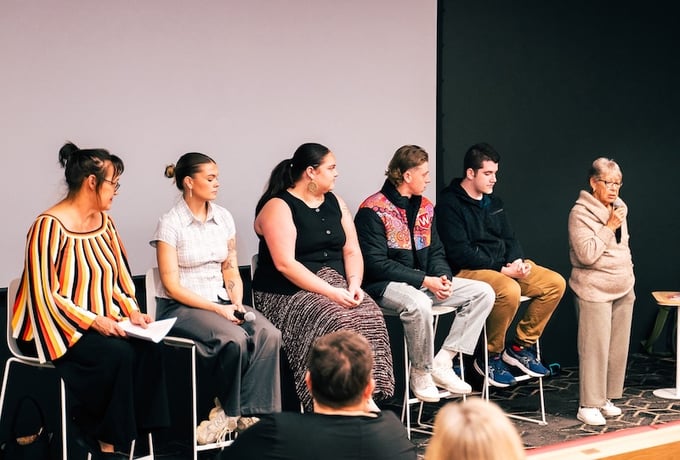
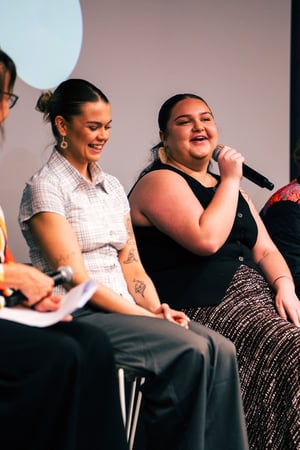
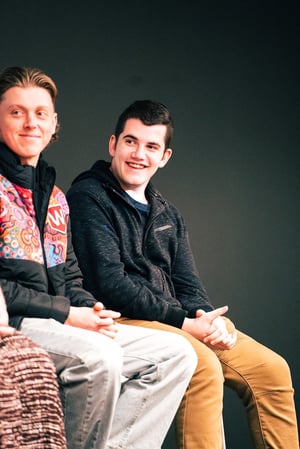
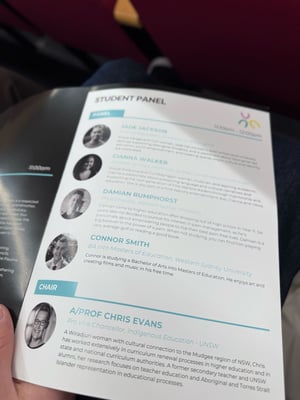
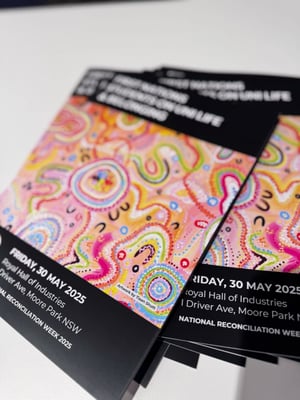
For National Reconciliation Week, we hosted a First Nations student panel to hear from four current uni students on uni life, belonging, support, and their thoughts on what the future holds. After a beautiful Welcome to Country from Aunty Barb Simms, the panel Chair A/Prof Chris Evans, the Pro Vice Chancellor Indigenous Education at UNSW introduced the panel.
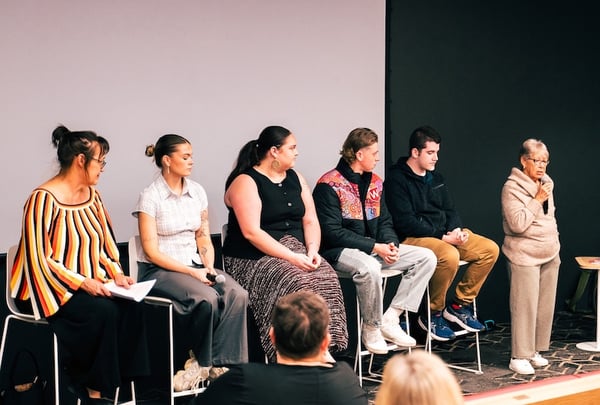
Jade from University of Wollongong, Cianna from Sydney Conservatorium of Music, and Damian and Connor from Western Sydney University all shared their experiences and opinions thoughtfully, with clarity and candour. It was inspiring to see and hear about what they're doing in their studies, and the plans they have to advance the education, health, and mental wellbeing of Indigenous peoples in Australia.
|
|
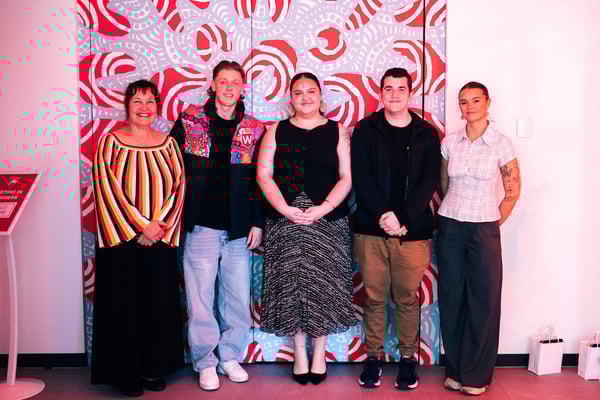
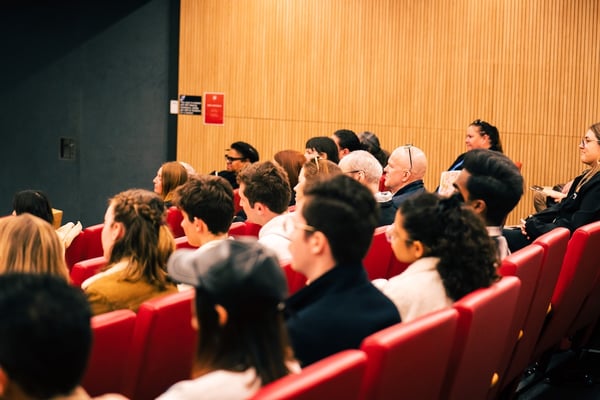
The venue hire fee at Sydney Swans HQ was generously donated to the GO Foundation and the attendees were our contacts from within universities, who work in Aboriginal centres, or in student support centres, and within our RAP network.
 |
 |
The session was planned to be recorded and released on Studiosity's podcast, but due to a technical error the recording did not occur and only those of us in the room were able to experience the wisdom and insight shared that day. Feedback from participants was very positive, and we have certainly learned to always have a backup recording.
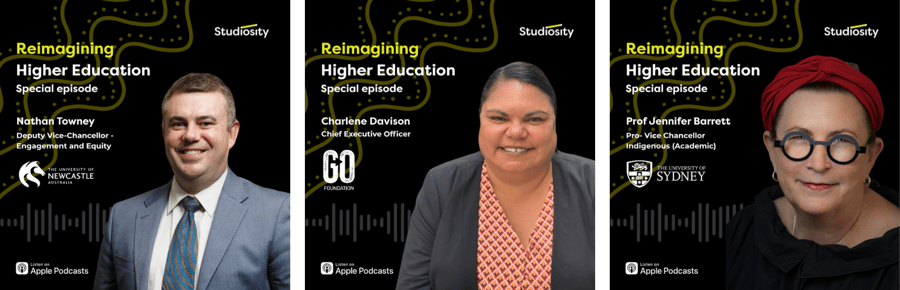
In the lead-up to National Reconciliation Week, Judyth conducted conversations with a number of Indigenous leaders in and around higher education. These were published on our podcast as ‘Special episodes’ and received hundreds of downloads. She spoke with Nathan Towney, DVC-Engagement & Equity at the University of Newcastle; Charlene Davison, CEO of the GO Foundation; and Prof Jennifer Barrett, PVC-Indigenous (Academic) at the University of Sydney.
Q3: July - September 2025
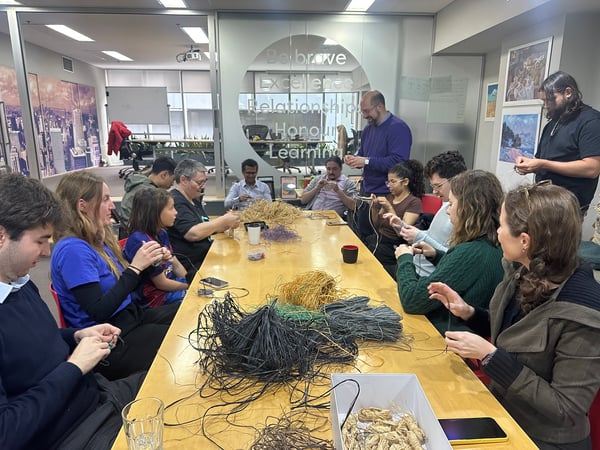
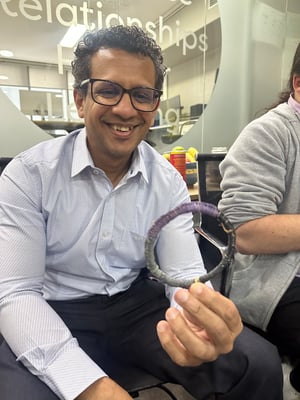
To celebrate NAIDOC Week, we were delighted to have Krystal and Michaela from the University of Sydney's Gadigal Centre come in to our St Leonards office and teach us some fantastic Aboriginal weaving techniques, We made bracelets, and everyone in the office got involved. It was a lovely way to come together and do something hands-on to celebrate and appreciate Aboriginal culture during NAIDOC Week.
.jpg?width=600&height=450&name=IMG_4328%20(1).jpg)
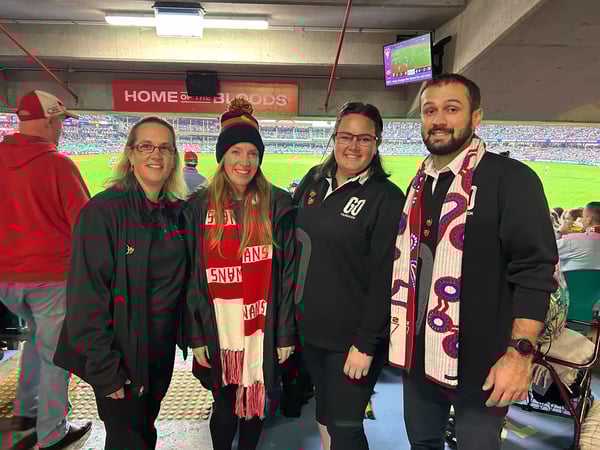
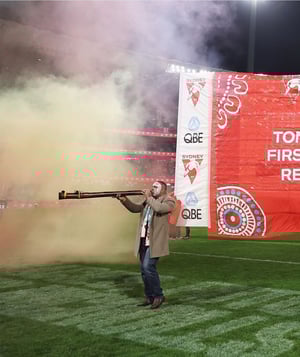
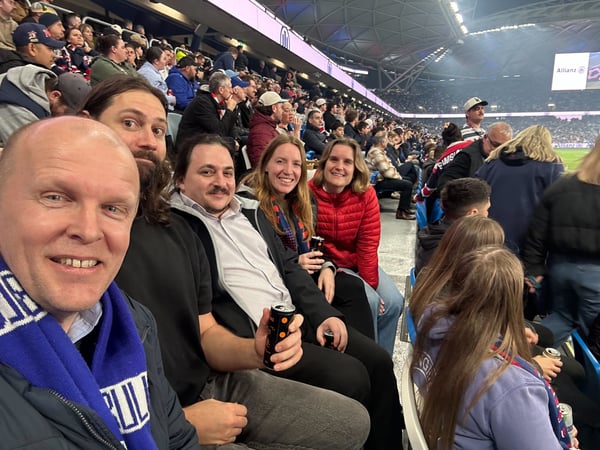
Around this time, we launched our Staff Engagement Plan, which was one of our RAP deliverables. One of the initiatives from the plan was providing free tickets to sports matches for the 'Indigenous Round'. Many professional sports have this specific round marked out each year to celebrate and honour their Indigenous players and history, including AFL, NRL, Netball, and Basketball.
A number of our staff took up this offer and attended Indigenous rounds of AFL and NRL, appreciating the awesome pre-show entertainment and the way the sport encouraged fans to participate in the appreciation of the sport's Indigenous history. It's another great way to engage people through the year, not just clustered around NRW and NAIDOC.

I attended another one of GO Foundation's amazing Culture Connect Days in September, and had a really nice long chat with teachers who work with GO Scholars about how Studiosity can help them, and how to tell students about it.
Q4: October - December 2025
In the last quarter, we internally launched our 'Cultural Protocol document', to help staff working in Australian contexts to understand the correct way to acknowledge, refer to and interact with First Nations peoples and cultural practices. Staff had to also complete a quiz to test their understanding of the document as well.
We continued to engage on our dedicated #reconciliation slack channel all year, keeping the channel open for any/all discussions around Aboriginal and Torres Strait Islander culture and practices.
As we held our final RAP Working Group meeting for 2025, we reflected back on everything we had done throughout the year and with this RAP so far.
Reflections from the RWG
Jane Stanley: "It has been a privilege to support Studiosity's RAP Working Group this year. What stands out most for me, is your commitment to authentic engagement; you aren't just ticking boxes, but truly trying to 'live and breathe' Aboriginal culture through hands-on initiatives. I am particularly excited to deepen the focus on mentoring in the coming year, to create meaningful pathways for students that I believe will have a profound and lasting impact."
Ellen: “This has been a fantastic learning experience; getting to see the Australian way of approaching things (as I'm based in New Zealand), learning about differences and building relationships/ finding opportunities to think about what can be done better.”
Chris: “We always said from the outset that this wouldn’t be a box-ticking exercise. For me, it’s been very beneficial for us as an organisation to make a conscious decision to educate ourselves, and be more aware of the community we’re in as part of our National story. But I'm also always asking, what can we bring to the table, in a practical sense? How can we use our resources to progress this process?”
Nadia: “I've only been in the Working Group for a short time, but my biggest learning since joining, and previously being involved in events - is when you design for all types of groups, you design for everyone. I’ve been thinking about how important mentoring is for Indigenous students, and using that thinking and applying it in my work.”
Judyth: ““This work reinforces how important it is to be learning with and learning from each other - learning connects us all. Every meeting we have, I come away with a new insight.”
Evelyn: “I have learned so much through the RAP experience so far. I'm also very grateful for all the incredible relationships I've managed to cultivate - interpersonal connections are such an important part of Aboriginal culture, having chances to build new relationships inside and outside of the organisation has been a very big positive experience."
In 2026, we are looking forward to carrying out the rest of our RAP deliverables (we're at about 60% complete now), and starting work on our next RAP, which will be another Innovate. We have had some changes to the lineup of our RAP Working Group and it's exciting to think what that might mean for some fresh eyes and energy on the projects.